This deck of cards is based off Hanafuda, which are a type of playing cards from Japan. The name Hanafuda means flower cards. The Portuguese brought playing cards to Japan in the mid-16th century. Foreign playing cards were eventually banned in Japan by the government in an effort to stifle gambling. This led to new card designs. As designs became popular or associated with gambling, they were banned and even newer designs emerged. The original 4-suit, 12 card per suit deck brought by the Portuguese eventually evolved into a deck consisting of 12 months with 4 cards per month.
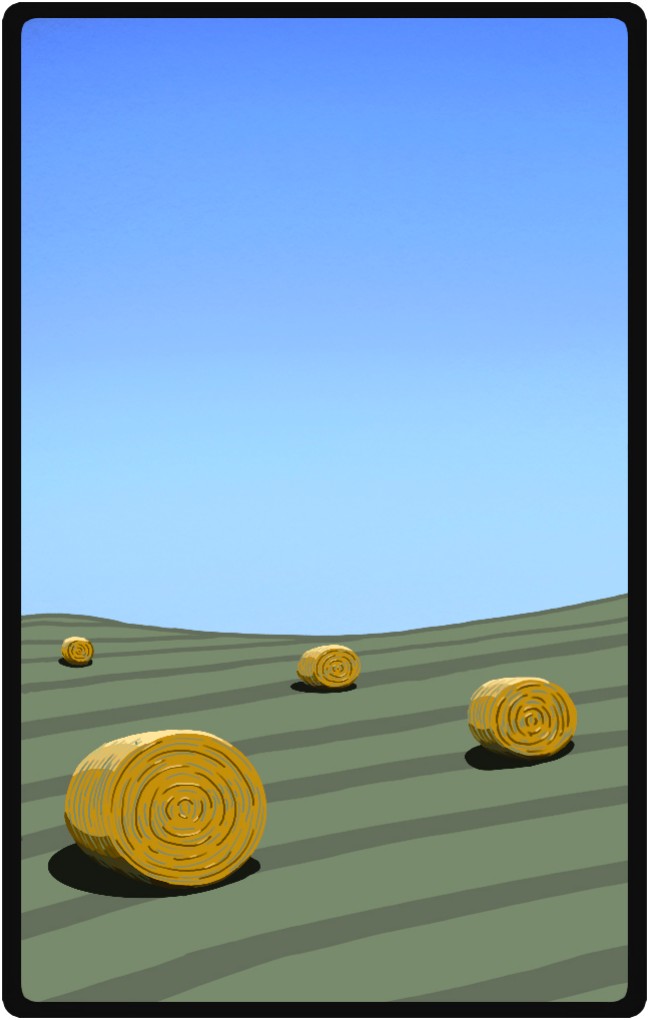
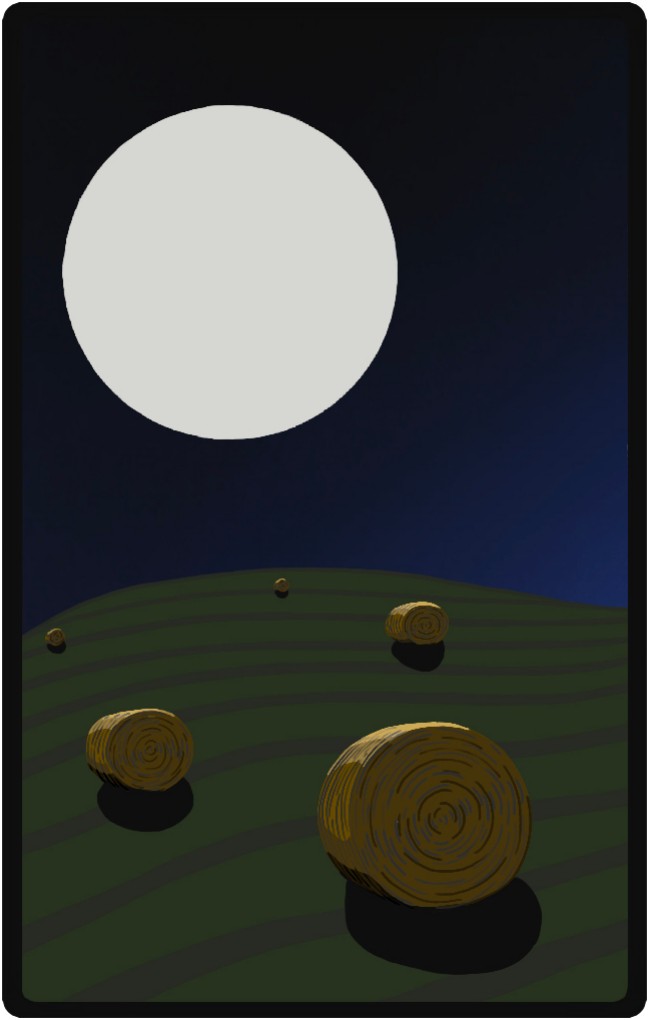
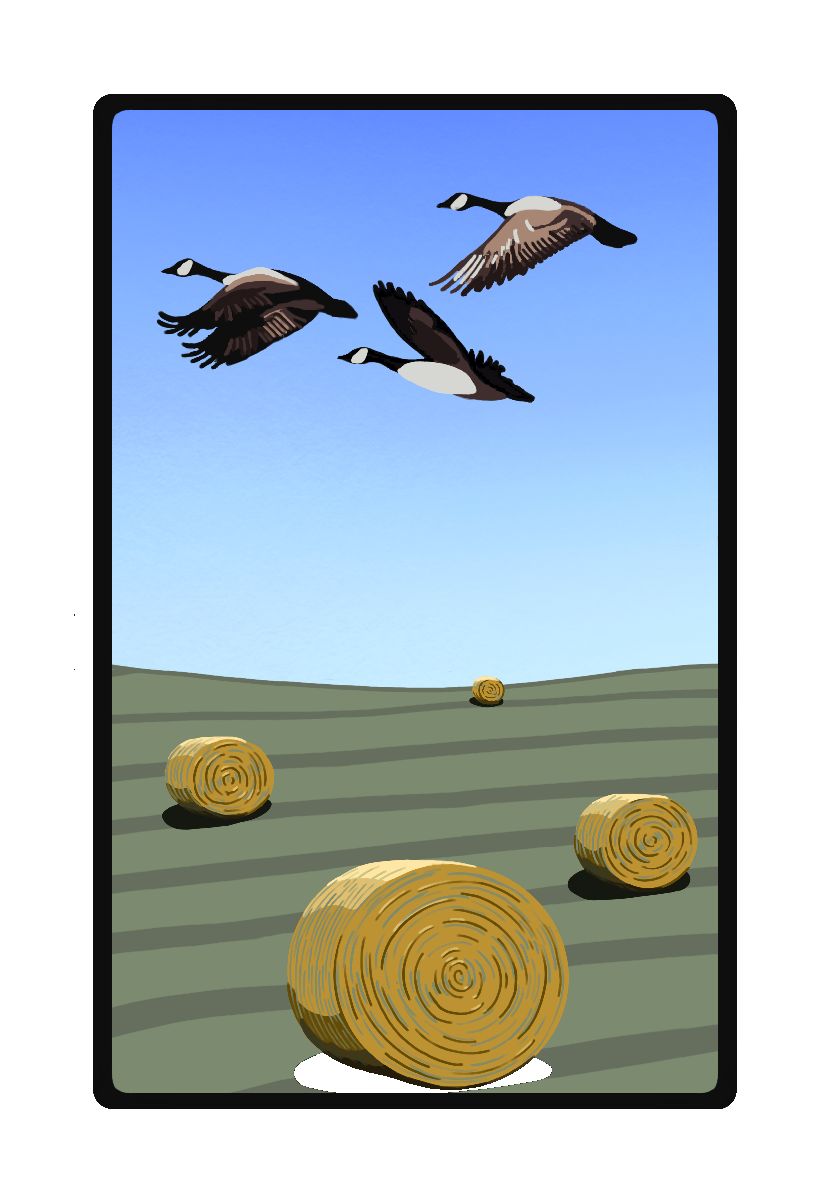
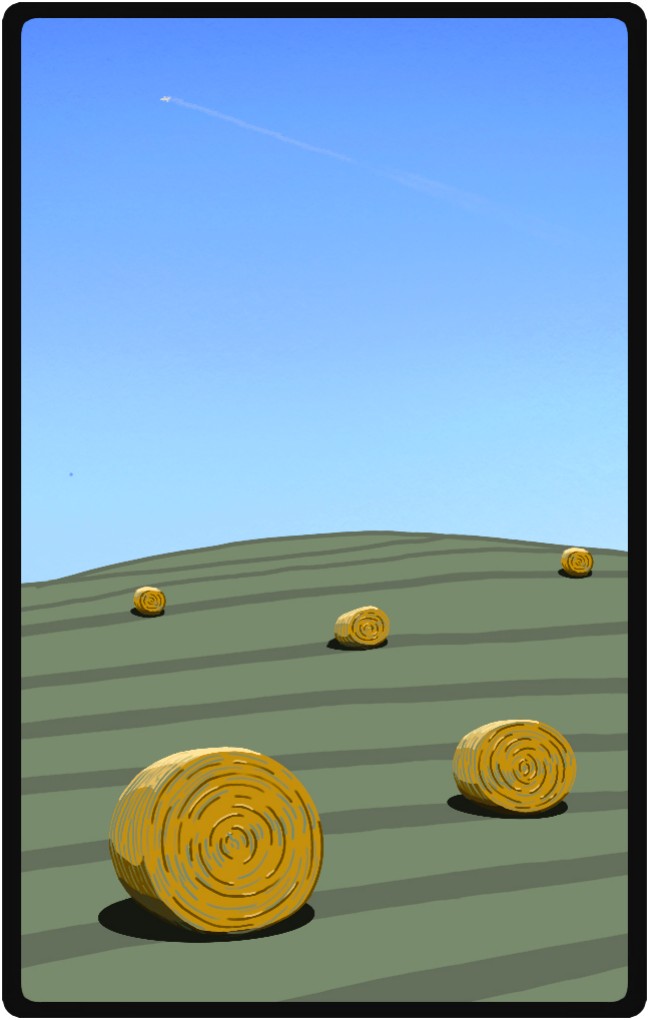
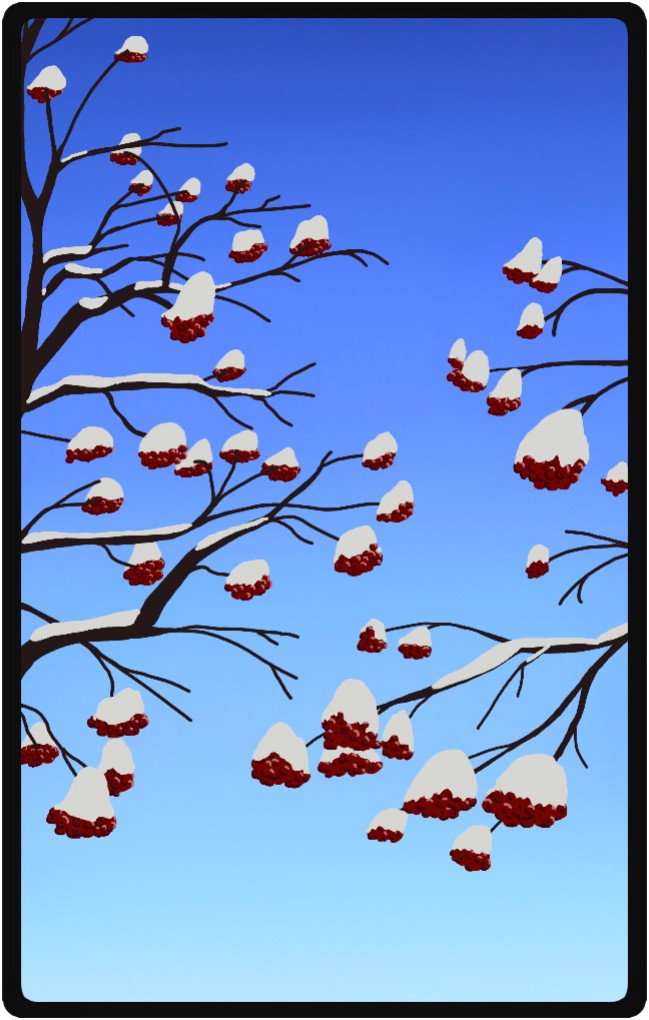
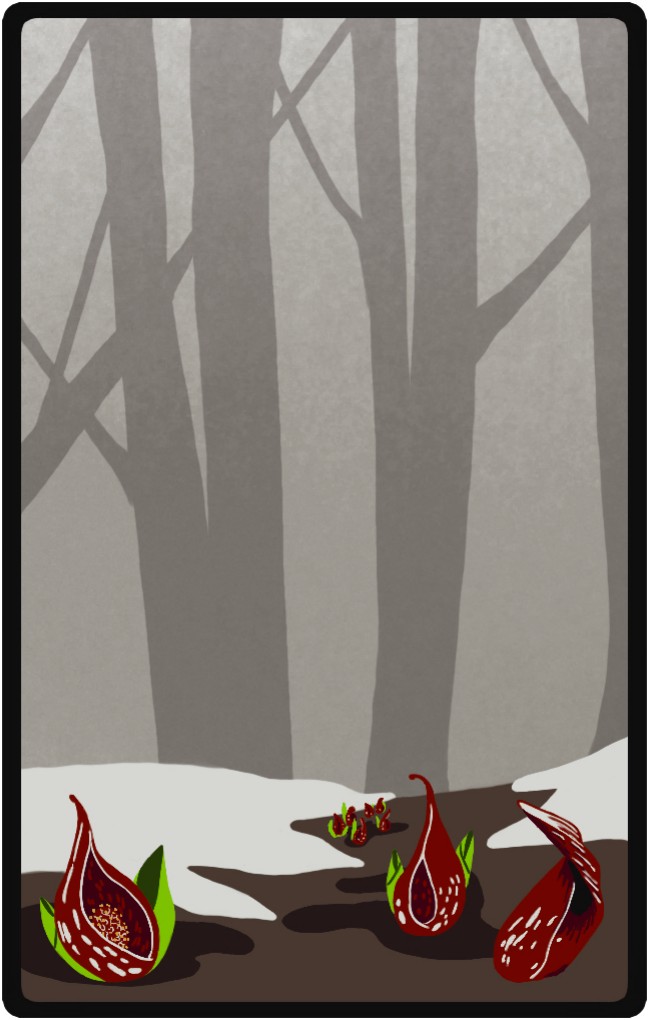
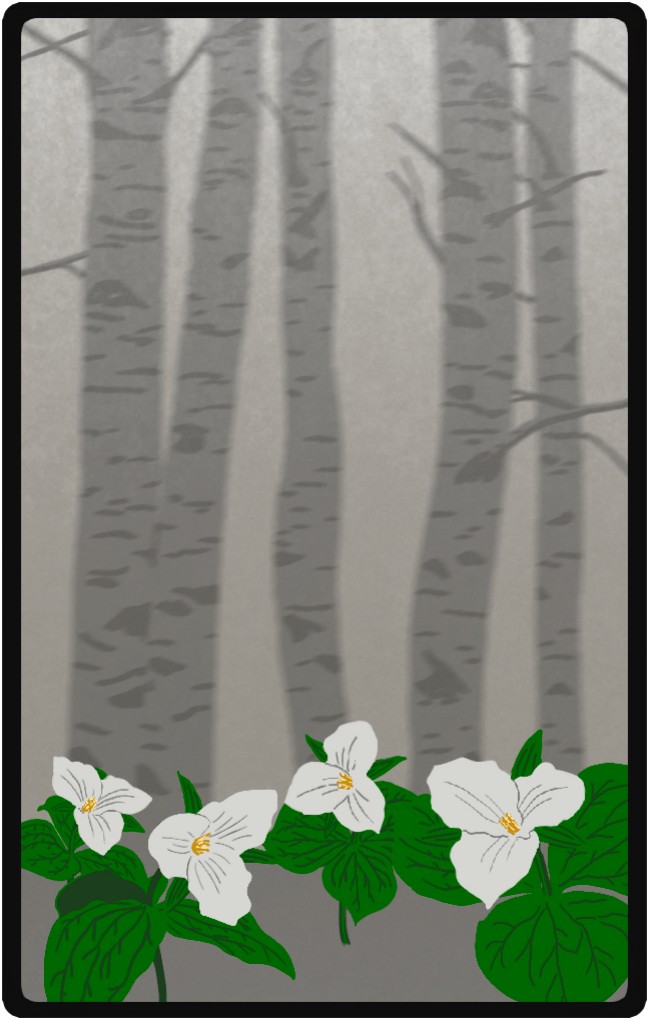
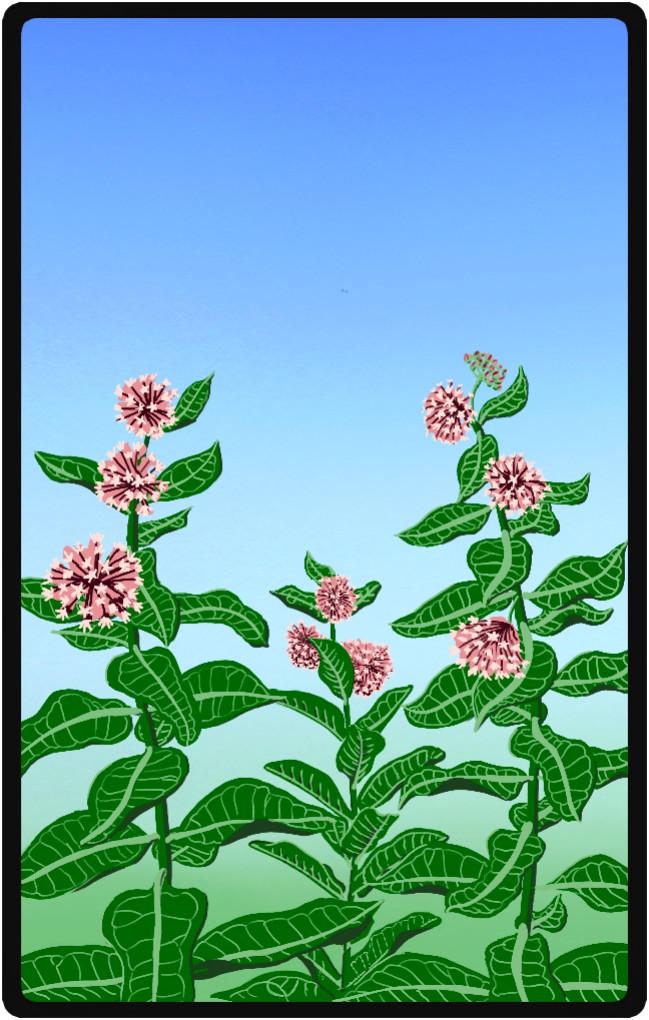
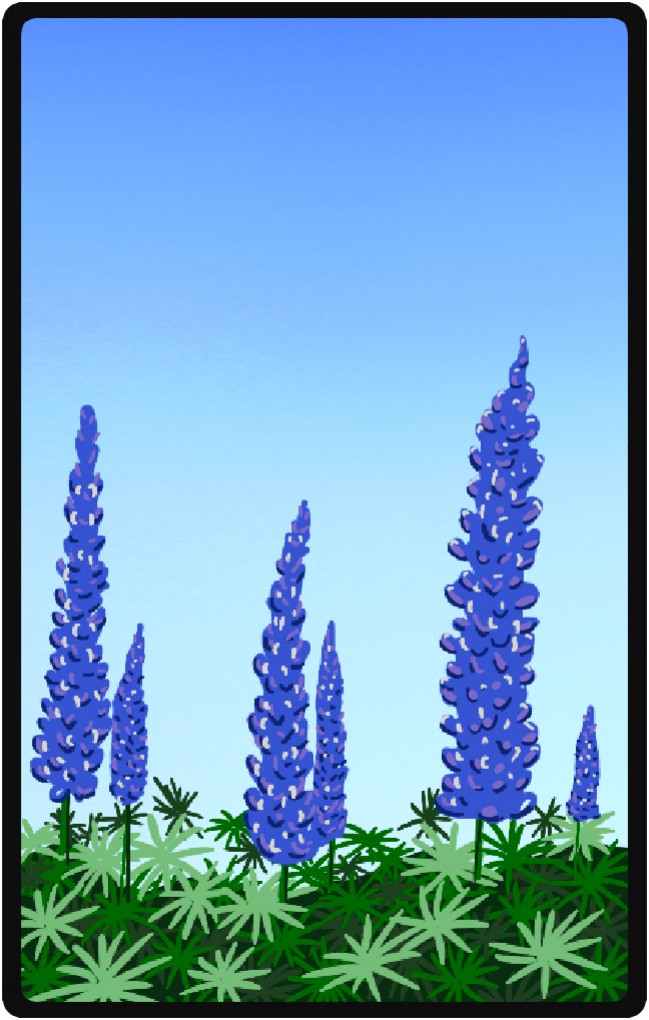
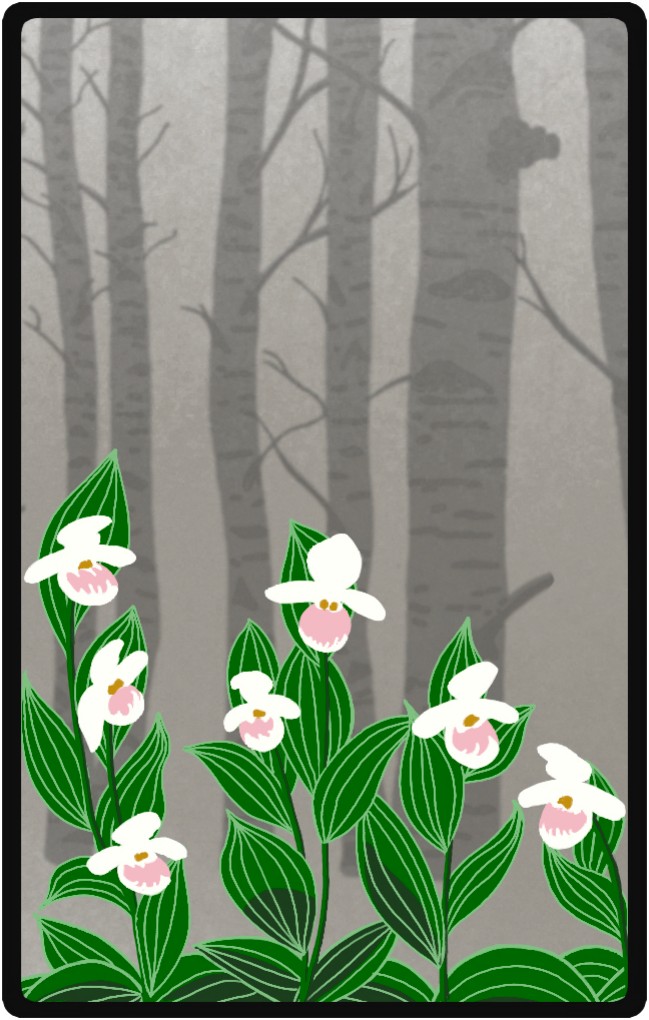
Flower cards for matching games were popular in Japan and influenced the now-standard Hanafuda deck. The designs of the traditional deck are influenced by Japanese traditions and culture. Outside Japan some decks have variations to reflect cultural differences such as in Korea or Hawai’i. This Americanafuda deck was designed to reflect the flora and fauna of the Upper Midwest and Great Lakes region as well as images more reflective of traditions originating in America.
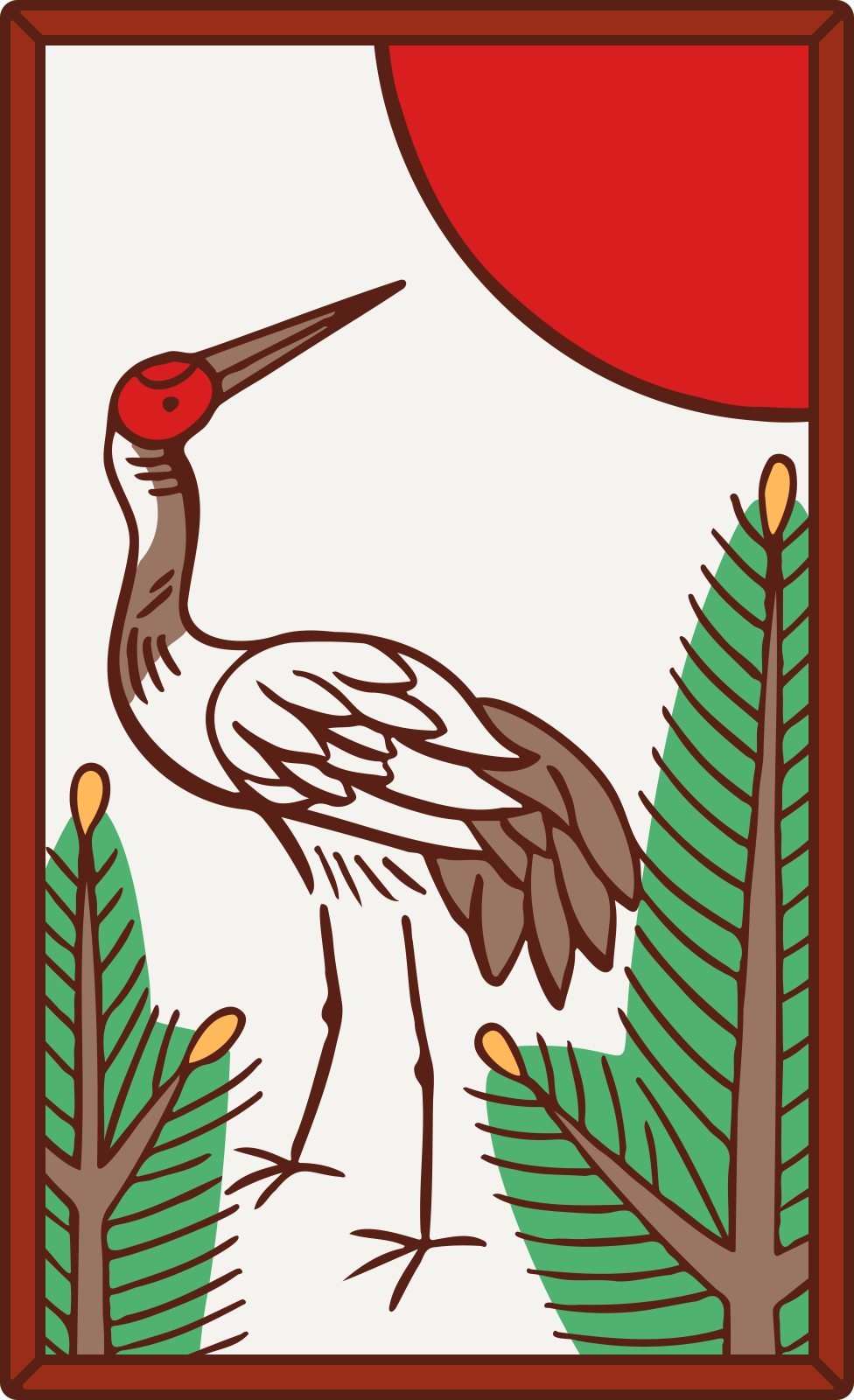
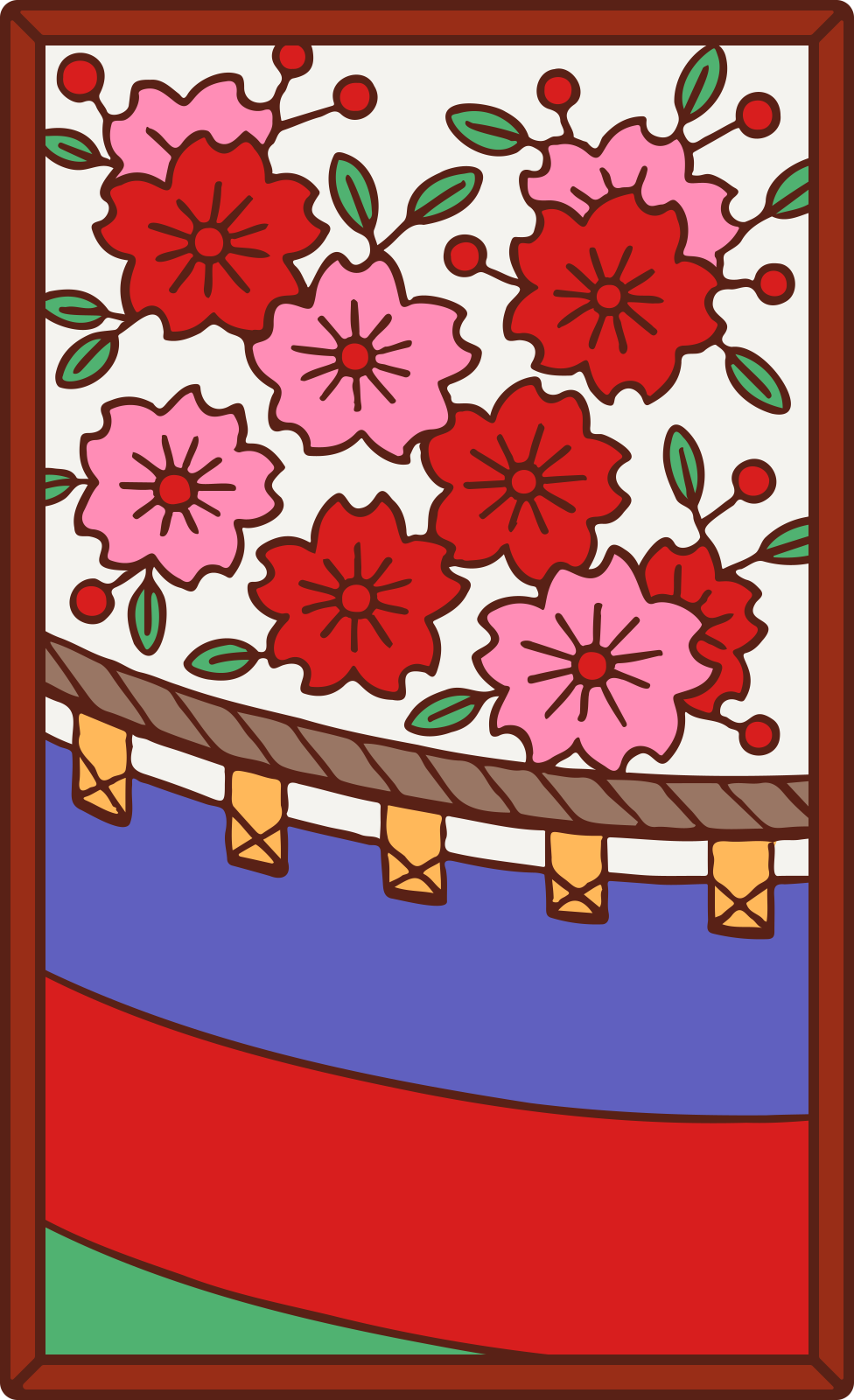
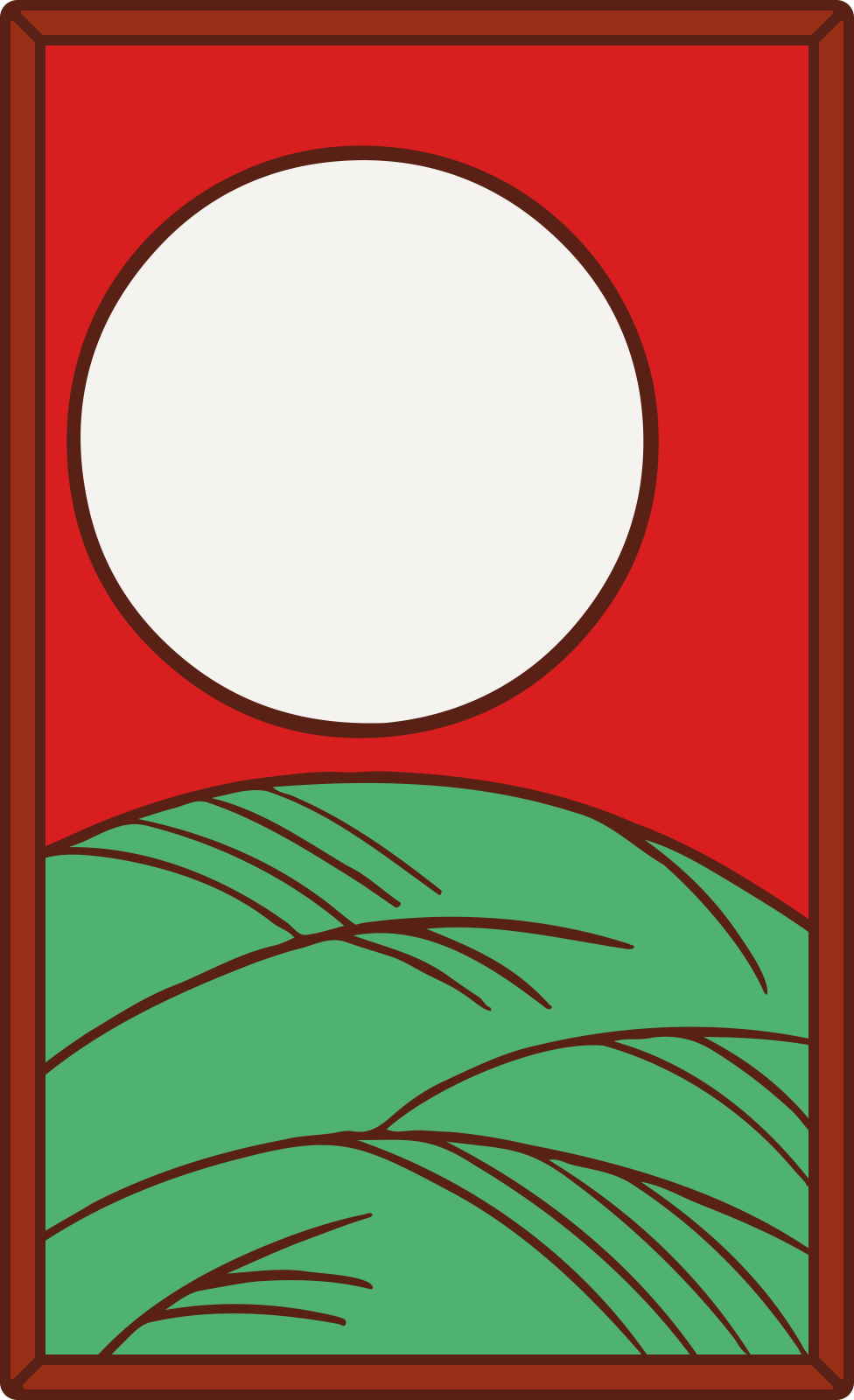
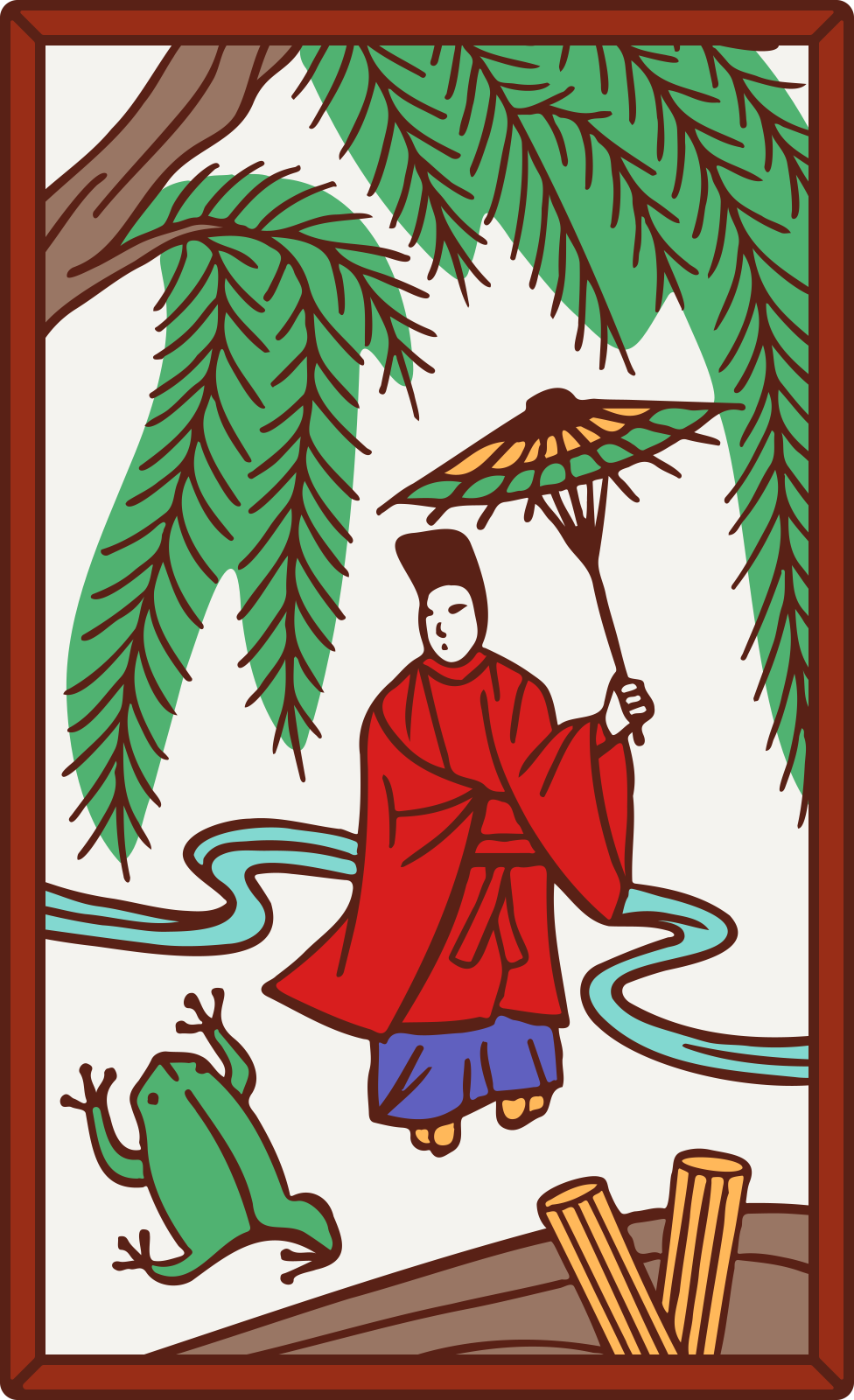
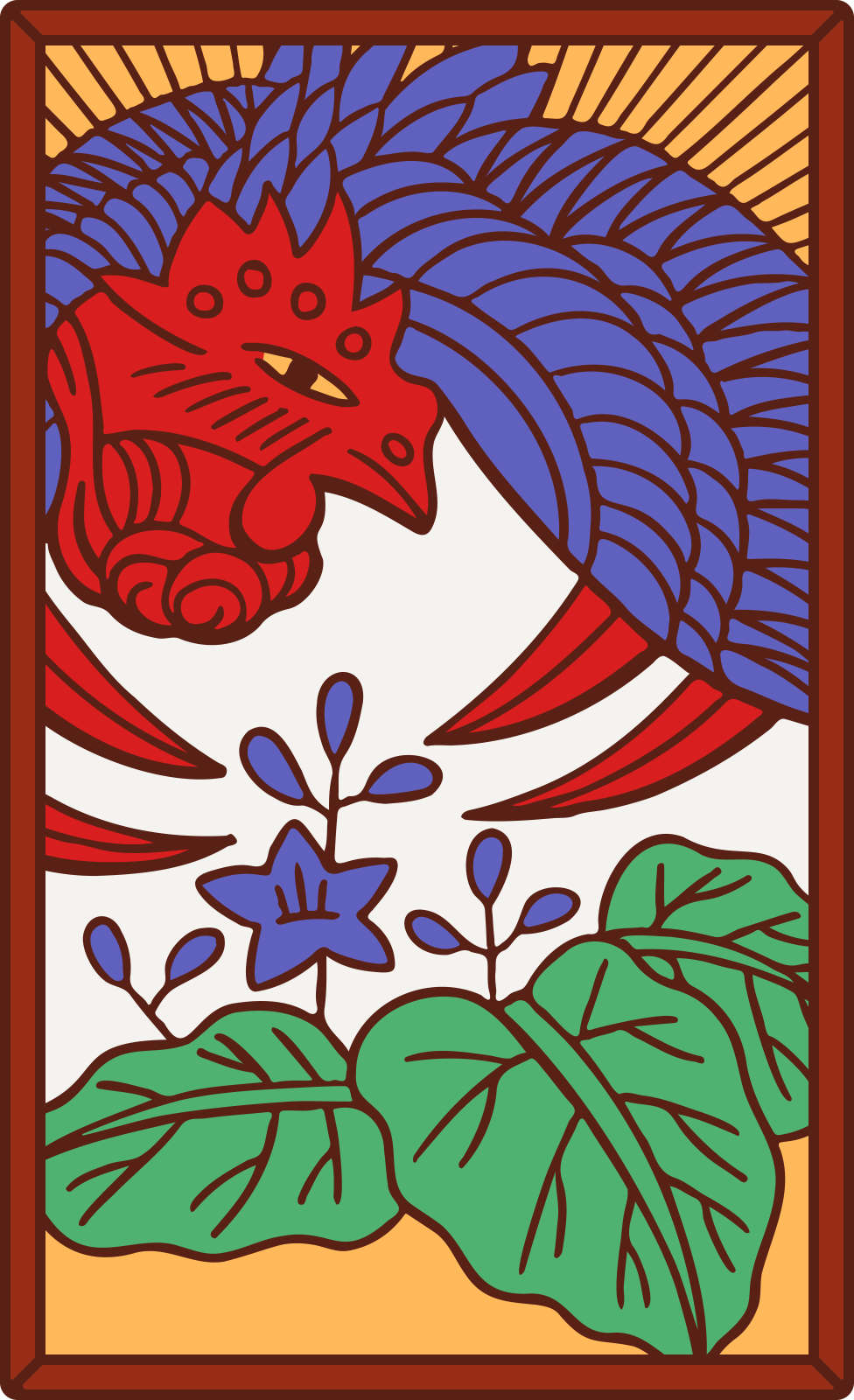
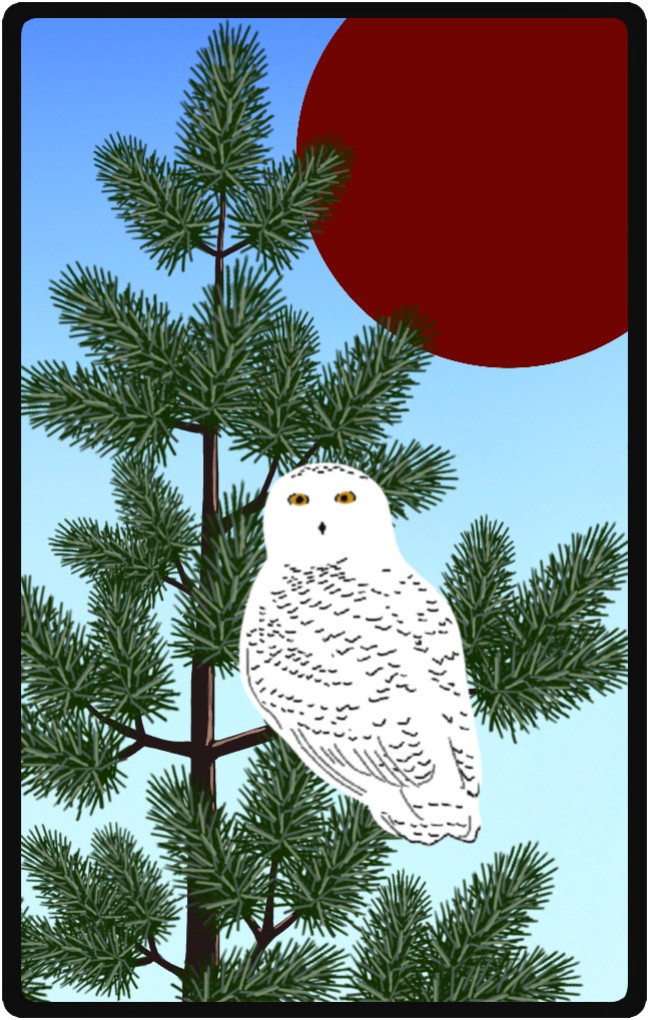
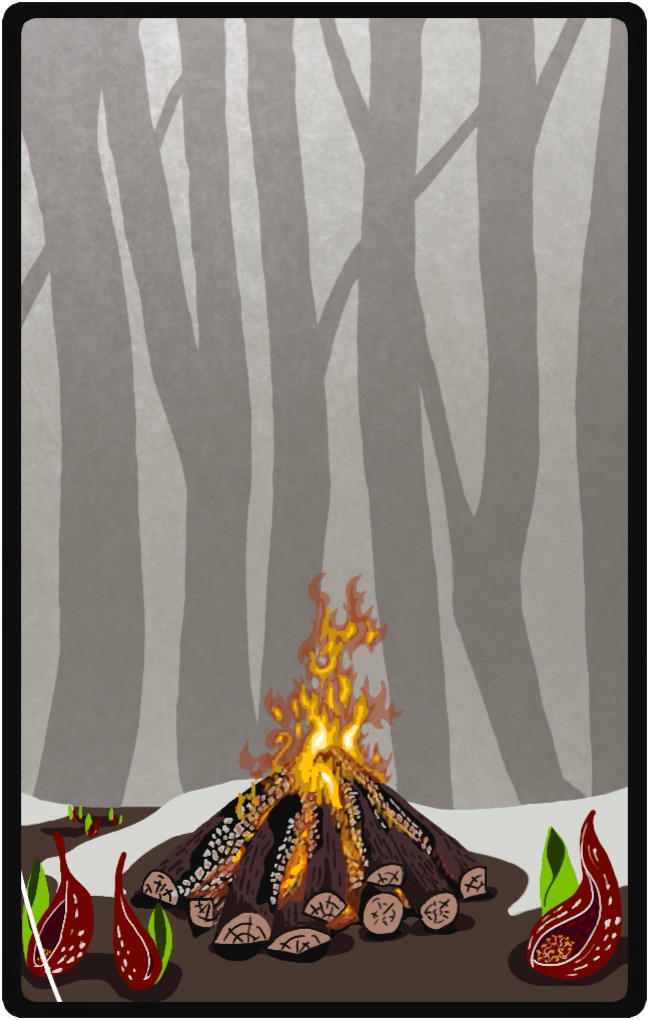

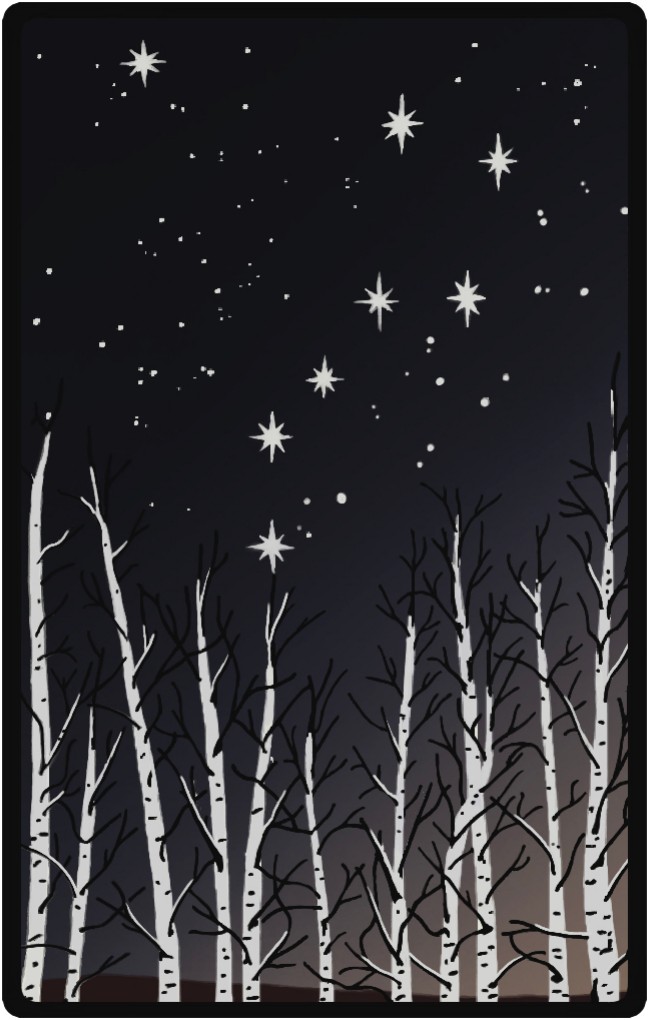
Unlike the suits with cards of ranked value known in Western cards, Hanafuda has 12 months, each represented by a flower, tree, to other plant. Within each month are cards that belong to one of the 4 categories, which are Brights, Animals, Kites (for traditional Hanafuda it is paper strips), and plains (also known as chaff). Confusingly not every month has an equal distribution of these categories and some cards are less obvious as to their category.
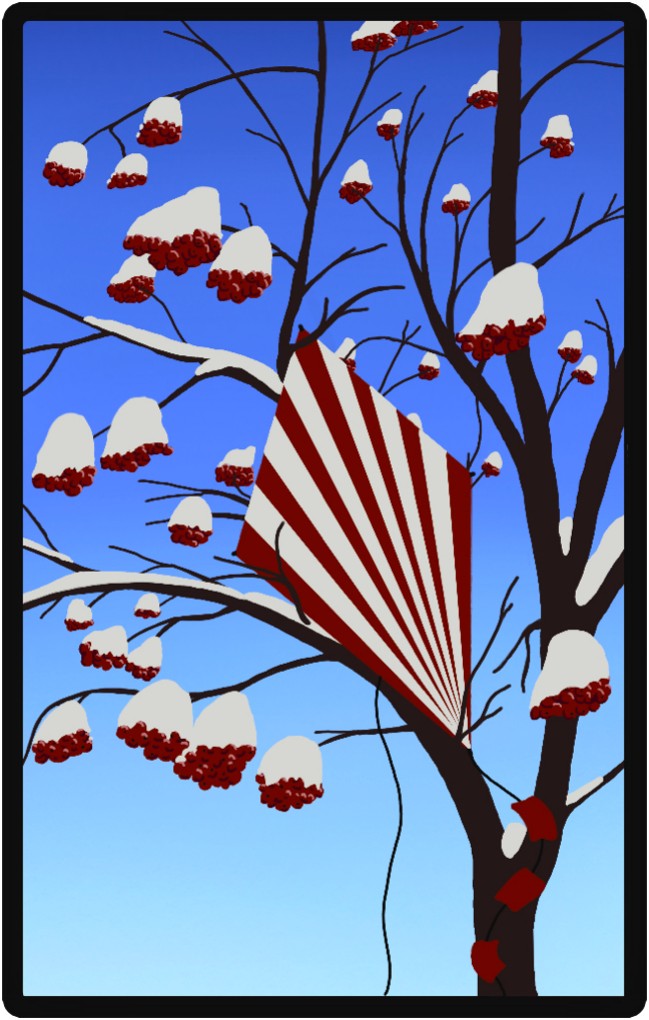
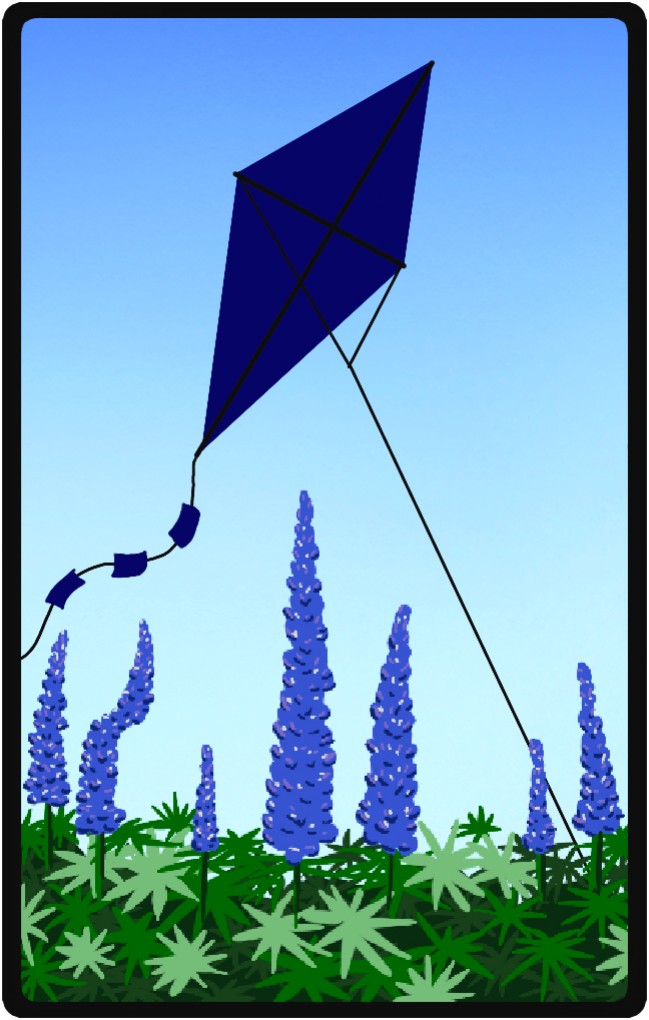
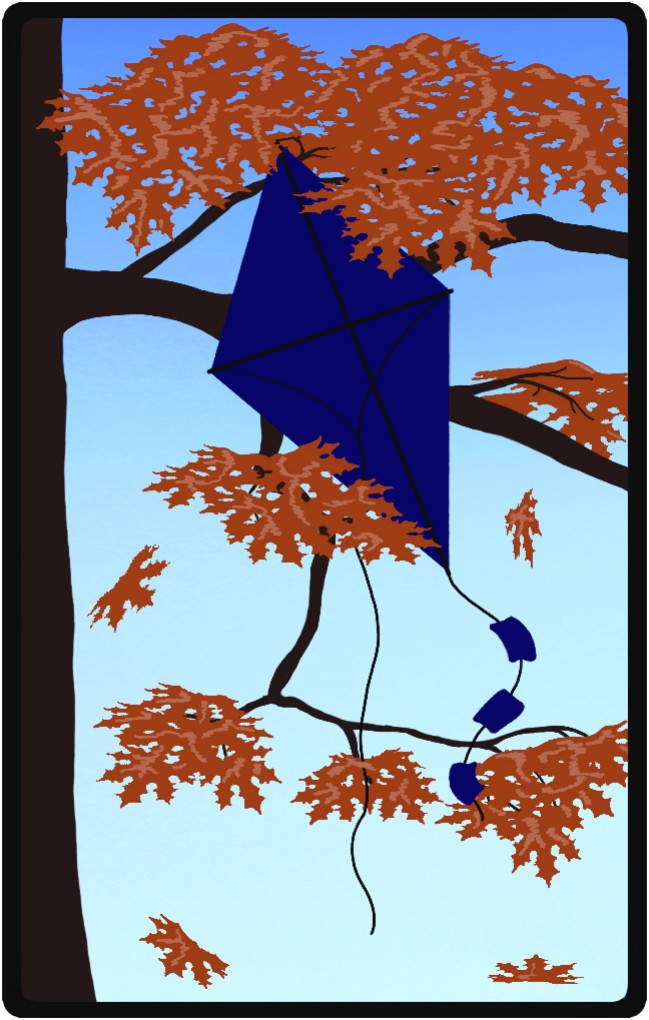
The most popular card game using a traditional Hanafuda deck is arguably Koi-Koi. This is a card-matching and capturing game for 2 players in which each player tries to form specific sets out of captured cards. Once a set has been made, that player may choose to call in their points or “go” with the hopes of collecting more points or forming a new set before their opponent does. Traditionally, this player would yell “koi-koi” which very loosely could translate to “go.”
Traditional artwork credits
Traditional Hanafuda Bright illustrations by Louie Mantia, via Wikimedia Commons, licensed under CC BY-SA 4.0. Original SVGs are unmodified; display size and rotation are applied by the website.